
Artvin is a medieval city whose foundation dates back to ancient times. Excavations carried out around it have revealed that although the city is not old, there are some settlements in the region dating back to 2000 BC. The region was later known as IX before Christ. It is understood that it came under the domination of the Urartian State from the 19th century onwards. Xenophon lived in the region known as Kolkhis in the classical age, IV. It is reported that some tribes such as Kolkhs, Macarons and Taokhs lived in the 16th century. Strabo, a geographer who lived in the 1st century BC, writes that this region was captured by Mithridates Eupator and joined the Kingdom of Pontus, and later Pompey, who defeated Mithridates, left these places under the domination of local kings. This information shows that Roman rule was not very effective in the Artvin region. Byzantine rule around Artvin was established at the beginning of the 5th century and the region was included in the Khaldia theme. This name comes from the medieval Islamic sources Hurdâzbih and Kudâme b. In Ca’fer’s works, it is mentioned as Haldiye or Halidiyât. Caliph Hz. The Artvin area, which joined the Islamic lands in 646 during the Ottoman period, later changed hands several times between the Byzantine and Islamic armies. During these changes of hands, Livane Castle, which constitutes the core of today’s Artvin city, was built to monitor the raids of Muslim armies (939 AD).
Seljuk domination in Artvin and its surroundings began to be established in 1068. Later, although this region fell into the hands of the Georgians for a while, it later joined the Seljuk country again. During the Seljuk period, the Artvin region was in the form of a frontier principality under the administration of the Azerbaijani Atabegs. XIII. After suffering Mongol and Ilkhanid invasions in the 15th century. In the 19th century, Karayülük Osman Bey from the Akkoyunlus reached the Çoruh region. Later, Uzun Hasan took these lands under Akkoyunlu rule; But the local rulers, the Atabegs, continued their rule. Later, when the region was invaded by Georgians again, the Artvin lords appealed to Prince Selim (Yavuz Selim), who was the governor of Trabzon at that time, and asked for help and expelled the Georgians with the help of the Ottomans. During this period, Artvin and its surroundings remained semi-detached under the auspices of the Ottoman Empire. During the reign of Suleiman the Magnificent, during the 1536-1537 campaign of Erzurum Beylerbeyi Dulkadırlı Mehmed Han, the region including Artvin was captured and the Livane Sanjak, which included Artvin and Yusufeli, was established and connected to Erzurum Beylerbeylik. This region, which was understood to have been lost after a while, was captured again in 1549 with the efforts of the second vizier Ahmed Pasha. During the Ottoman-Iranian struggle that started in 1578, Ottoman domination in the region was strengthened, and after the formation of the Çıldır province in 1579, Artvin became the center of the Livane sanjak, which was connected to this province. XIX. Artvin, which remained in the hands of the Turks until the beginning of the 19th century, was invaded by the Russians twice in this century. When Ahıska was left to the Russians with the Treaty of Edirne signed after the Russian invasion in June 1828, the organization of Çıldır province, whose center was Ahıska and to which Artvin was affiliated, was disrupted. After this, Artvin became the center of a district (Livane district) in the Batumi sanjak of the Trabzon province, and this situation lasted until after the 1877-1878 Ottoman-Russian War.
According to an article of the Treaty of San Stefano, signed on March 3, 1878, at the end of the war, the Ottoman Empire was leaving Batum, Kars, Ardahan, Eleşkirt and Bayazıt to Russia in return for war compensation. Artvin, located within the Batumi sanjak, was also included in the scope of the said article, and according to Article 58 of the Berlin Treaty dated July 13, 1878, Artvin, which was included in the security system, was left to Russia along with Kars and Ardahan. According to the 7th article of the Muâhede-i Kat’iyye signed in Istanbul on February 8, 1879, the people living here were allowed to migrate freely within three years, and according to this article, many Artvin residents dispersed to various parts of Anatolia, especially in the sparsely populated parts of the Kocaeli peninsula. settled in established villages. During the years under occupation, Artvin was located within the Kars Oblast, one of the Russian administrative units. During this occupation, which lasted until the end of World War I, the local people were organized within the framework of the Special Organization and started to resist the Russians from time to time. In November 1914, the Melo Border Battalion, named after the Melo (Sarıbudak) village, under the command of Captain İsmail Hakkı Bey, defeated the Russian troops in the city and its surroundings, and the Russians had to leave Artvin. Thus, Artvin was temporarily liberated on November 2, 1914. After this period, which lasted about four months, the Russians took Artvin under their control again. When the Tsarist rule collapsed, the Russians evacuated Artvin in accordance with the Erzincan Armistice Agreement signed with the new Soviet government on December 18, 1917.
Later, since the Treaty of Brest-Litovsk dated March 3, 1918, signed after the end of the war, agreed to restore the border between the Soviet Union and Turkey to the shape it had before the 1877-1878 Ottoman-Russian War, Ottoman troops entered Artvin again in March 1918. But this time, Artvin did not remain in the hands of the Turks for long. According to the Armistice of Mudros signed on October 30, 1918, Artvin was evacuated and occupied by the British on December 17, 1918, as the Ottoman army had to retreat behind the borders before 1914. British occupation lasted until April 1920. When the British withdrew, they left the city to Georgia. The recovery of Artvin became possible as a result of the initial military and diplomatic successes of the Turkish Grand National Assembly government. After the 15th Corps under the command of Kâzım Karabekir Pasha achieved the first military victory of the new Turkey by liberating Kars on October 30, 1920, the issue of liberation of Artvin was resolved through diplomacy. The new Turkish government announced in an ultimatum to the Republic of Georgia on February 22, 1921 that it was preparing to invade Artvin. In the response dated February 23, 1921, it was officially stated that Artvin would be abandoned along with Ardahan. Four days later, on February 27, 1921, Artvin was definitely annexed to Turkish territory. This de facto situation was later legalized with the Moscow Treaty signed on March 16, 1921.
When Artvin and its surroundings were reunited with the homeland, they were first connected to the Ardahan sanjak for four and a half months. When the Artvin sanjak was established with the law no. 133 dated July 7, 1921, the city of Artvin became the center of this new sanjak. With the change made in Turkey’s administrative organization in 1924, the sanjaks were transformed into provinces, and the city of Artvin became the center of the newly established province with the same name. This province was abolished by law no. 2917 on June 1, 1933. Artvin was also connected to the province of Çoruh, which was established by the same law as a district center and whose center was Rize. When the Çoruh province was abolished by the law numbered 2885 and dated January 4, 1936, and a new Çoruh province was established, Artvin became the center of this new province. Finally, with the law no. 6668 enacted on February 17, 1956, the name Çoruh, which was given to Artvin as the center, was abolished and the name of the province was changed to Artvin like its center.
The history of Artvin, a city in northeastern Turkey, is rich and diverse, with influences from various civilizations and cultures over the centuries. Here’s an overview of the historical timeline of Artvin:
- Ancient Period:
Artvin and its surrounding areas have been inhabited since ancient times. The region was likely home to various indigenous peoples before the arrival of more organized civilizations. Unfortunately, due to the lack of extensive archaeological excavations, details about this early period are limited. - Urartian and Persian Rule (9th–6th centuries BC):
The Urartians, an ancient kingdom in the Armenian Highlands, had a presence in the broader region, including Artvin. Later, the area came under Persian control after the fall of the Urartian Kingdom. - Byzantine Era (4th–7th centuries AD):
With the Roman Empire transitioning into the Byzantine Empire, Artvin and its surroundings became part of the Byzantine domain. The Byzantines left their mark on the region, and the historical sources mention various cities and settlements. - Arab and Seljuk Invasions (7th–11th centuries):
During the Arab-Byzantine Wars, the region witnessed invasions by Arab forces. Later, the Seljuk Turks, a Central Asian Turkic people, established their presence in the area, contributing to the Turkification of the region. - Georgian Period (11th–13th centuries):
In the medieval period, the Georgian Bagrationi dynasty had control over Artvin and its surroundings. The city was part of the Kingdom of Georgia and played a strategic role in the broader geopolitical landscape. - Mongol and Timurid Invasions (13th–14th centuries):
Artvin, like many other regions in Anatolia, experienced the effects of Mongol invasions and later, the conquests of Timur (Tamerlane). These events disrupted the political and social fabric of the area. - Ottoman Rule (15th century onwards):
Artvin came under Ottoman rule in the 15th century. The Ottomans integrated the region into their administrative system and contributed to its cultural and economic development. The city served as a significant military and administrative center within the Ottoman Empire. - Russian Occupation and Independence (19th–20th centuries):
Artvin, along with other parts of eastern Anatolia, was briefly occupied by the Russian Empire during the Russo-Turkish War of 1877–1878. After the war, it returned to Ottoman control. In the aftermath of World War I, the city witnessed the turbulence of the Turkish War of Independence, resulting in the establishment of the Republic of Turkey in 1923. - Modern Era (20th century onwards):
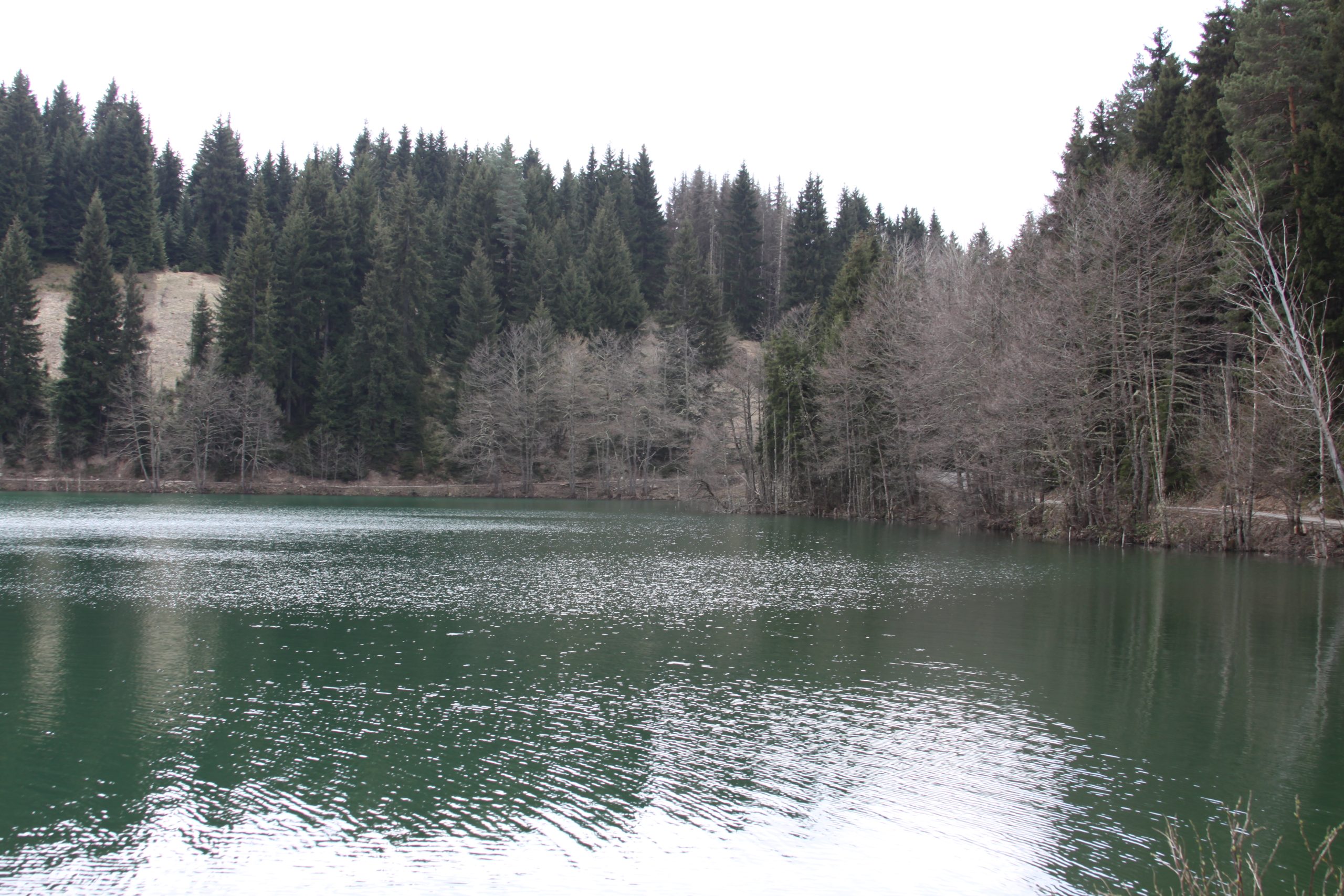
Artvin continued to evolve as part of the Republic of Turkey, experiencing social, economic, and cultural developments. The city and its surroundings are known for their natural beauty, making the region a notable destination for tourism.
Throughout its history, Artvin has been a melting pot of various cultures and civilizations, leaving behind a diverse heritage that is reflected in its architecture, traditions, and way of life.